 Search
 EN
EN


CEEG Integrated New Energy Box-Type Transformer — Where Light Leads, Power Follows
CEEG adopts an integrated box-type transformer solution, featuring modular configuration, high-corrosion-resistant construction, and enhanced temperature control design to cope with complex environments. Prefabricated assembly reduces on-site construction dependence, while independently controlled core components ensure stable delivery. After grid connection, the equipment continuously maintains reliable output.
1. Stable Output: Turning “Fluctuating Power” into a Stable Signal
Photovoltaic power generation is highly variable. Moving cloud shadows and changes in solar irradiance can cause instantaneous fluctuations in current and voltage. The boost transformer must have fast and stable response capabilities to handle these variations.
 CEEG’s design focuses on enhancing:
High-permeability silicon steel and optimized magnetic circuit: Reduces losses and improves efficiency during low-irradiance periods.
Short-circuit strength and impact-resistance design: Adapts to transient conditions such as sudden sun-to-cloud transitions.
Temperature field simulation–optimized winding structure: Reduces hotspots and slows aging.
High-temperature resistant hybrid insulation system: Suited for the high-load operating characteristics of photovoltaic systems.
Significantly reduced no-load losses: Helps lower the power plant’s full life-cycle LCOE (Levelized Cost of Electricity).
2. Ultra-High Weather Resistance: Built for Long-Term Real-World Operation
Photovoltaic projects are often located in areas with high UV exposure, windblown sand, salt spray, or high altitudes, posing continuous challenges to insulation, heat dissipation, and structural integrity.
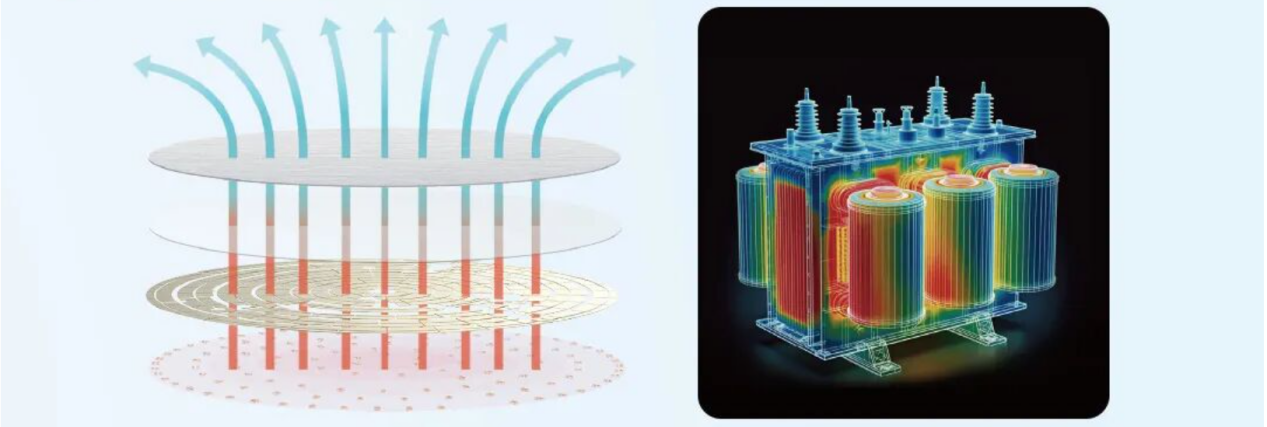
CEEG optimizes the structure and material system to enhance the weather resistance of its box-type transformers:
Enhanced oil and airflow design: Ensures efficient heat dissipation under high-temperature or low-pressure conditions.
IP55 + C5 corrosion protection system: Suitable for environments with sand, salt spray, and high humidity.
Structural temperature margin design: Handles day-to-night temperature differences of 20–30 °C.
Hotspot balancing design: Prevents high temperature combined with high load from becoming a limiting factor for service life.
3. Proactive O&M: Keeping Equipment Status Continuously Online
With PV plants spanning large areas and challenging terrain, on-site inspections are costly. CEEG makes intelligent monitoring a foundational capability for box-type transformers.
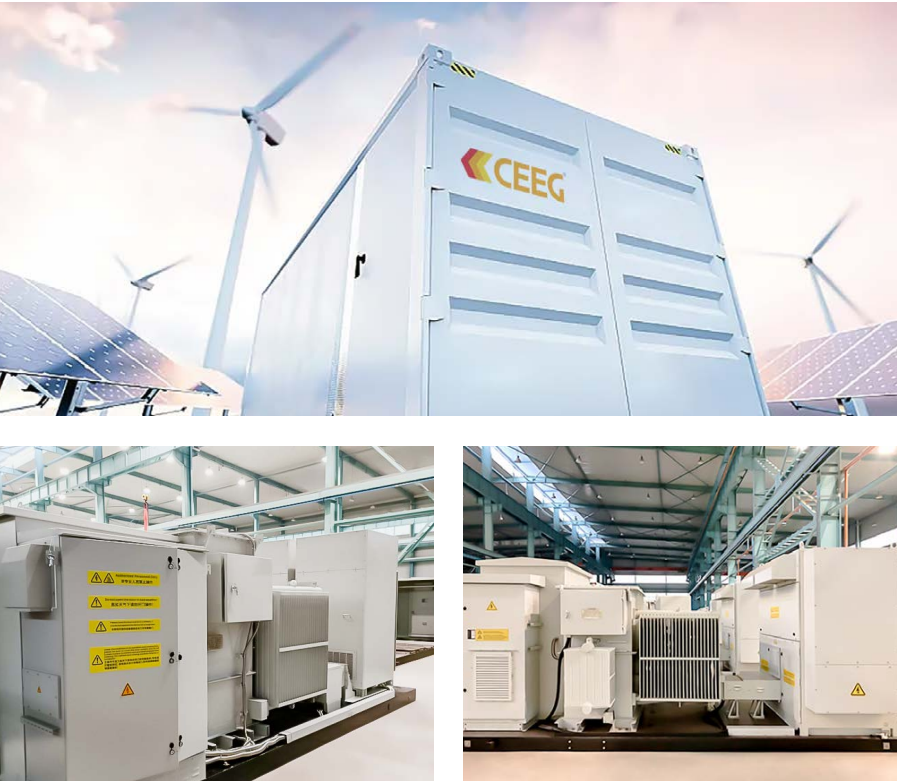
Core parameters such as temperature, partial discharge, load, node temperature rise, and power quality are continuously uploaded 24/7 to the plant control system or a cloud platform, enabling:
Status visibility: Real-time presentation of key data
Automatic alerts: Early warnings triggered for potential risks
Fault localization: Automatic identification, recording, and upload of fault information
Intelligent decision-making: Trend-based maintenance strategies and health assessments
4. Scalability: Keeping Pace with PV Expansion
PV sites are often built in phases with frequent capacity upgrades; equipment must be modular and scalable.
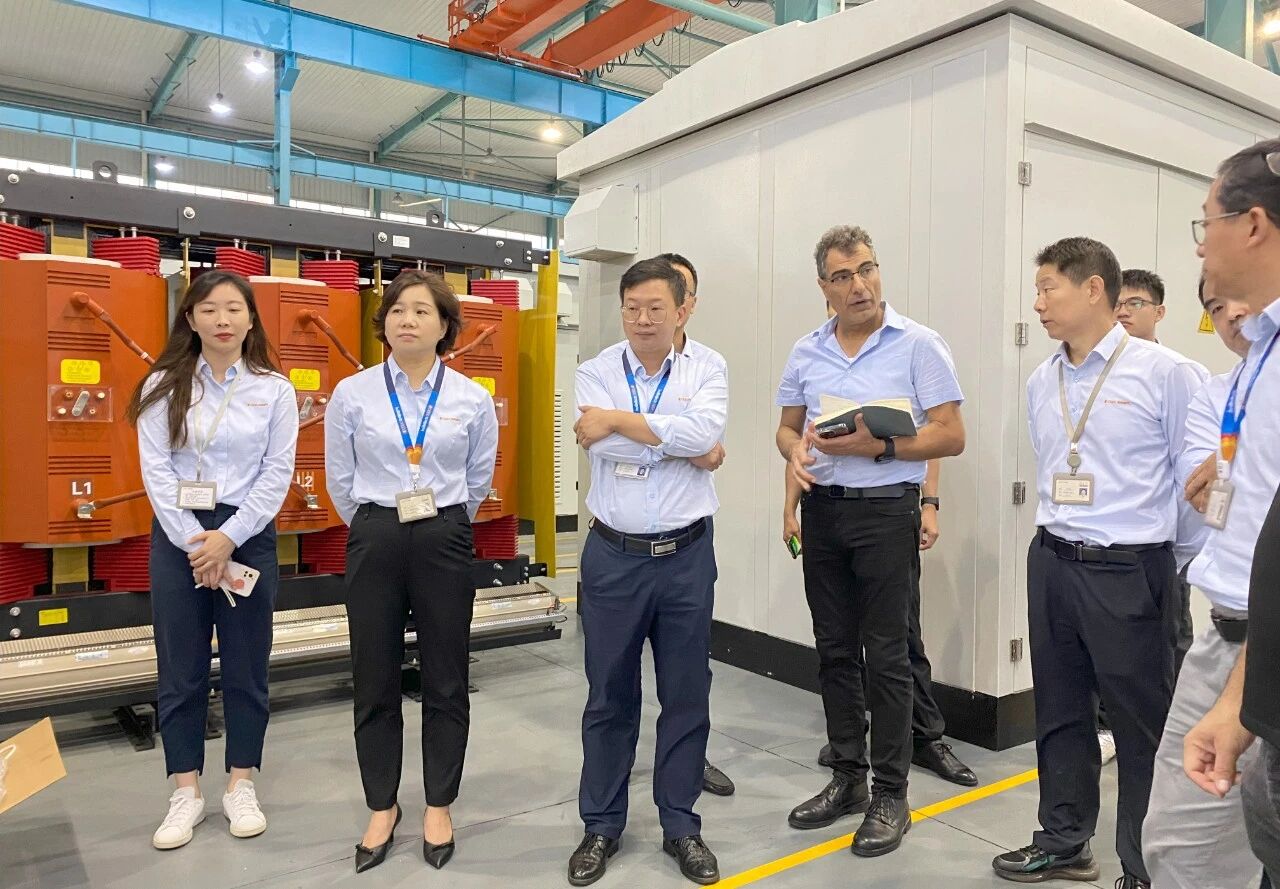 CEEG adopts a standardized unit architecture to enable flexible expansion:
Modular parallel design: Allows capacity increases in a more direct and efficient manner
Reduced cable connection points: Lowers the risk of hidden failures
Component-based maintenance: Faster servicing and shorter downtime
Reserved energy storage interfaces: Ready to meet future peak shaving and frequency regulation needs
High-efficiency transformers: Support high-density installation scenarios
CEEG addresses the four issues that photovoltaic plants care about most—one by one—through its PV box-type transformer solutions:
Coping with thermal and insulation stress under high temperatures, low air pressure, and intense solar radiation
Withstanding long-term corrosion from sand, salt spray, and harsh environments
Handling transient impacts caused by irradiance fluctuations and grid disturbances
While operating in different environments, the systems deliver consistent performance over long-term operation, providing stable and dispatchable output. This is the core capability continuously proven by CEEG’s new energy box-type transformers—transforming fluctuating energy into stable power that the grid can reliably absorb.


